-

Dežru Spec-A for 10-14 Subaru Legacy
$1,580.00 -

Dežru Spec-A for 15-19 Subaru Legacy
$1,580.00 -
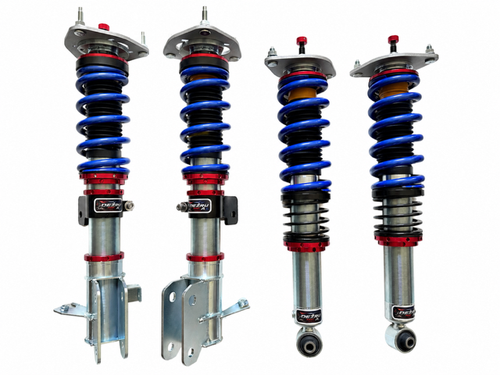
Dežru Spec-A for 15-19 Subaru Outback
$1,580.00 -
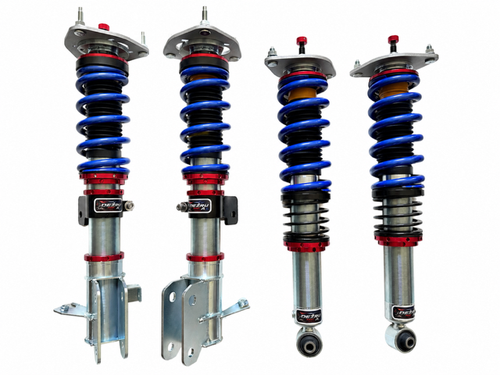
Dežru Spec-A for 10-14 Subaru Outback
$1,580.00 -

Dežru Spec-A for 00-04 Subaru Outback
$1,580.00 -
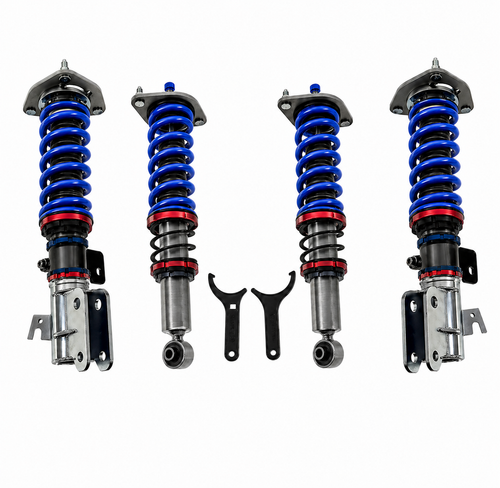
Dežru Spec-A for 05-09 Legacy
$1,580.00 -
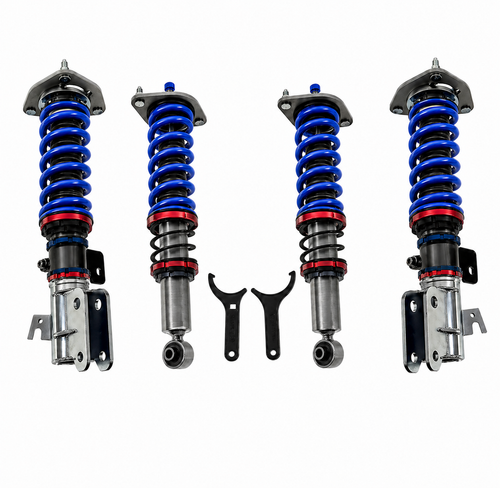
Dežru Spec-A for 05-09 Subaru Outback
$1,580.00 -

Dežru Spec-A for 13-25 Subaru BRZ
$1,580.00 -
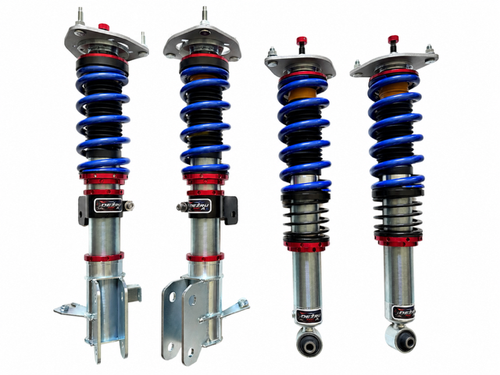
Dežru Spec-A for 22-26 Subaru WRX
$1,580.00 -

Dežru Spec-A for 15-21 STI
$1,580.00 -
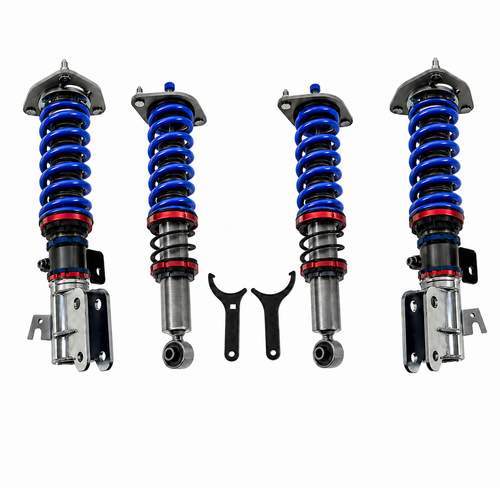
Dežru Spec-A for 15-21 WRX
$1,580.00 -

Dežru Spec-A for 08-14 Subaru STI
$1,580.00
Subaru
Dežru Suspension for Subaru
Built Around How Subaru Chassis Actually Behave
This is not a generic coilover with a wide adjustment range used to cover every possible setup. Each Dežru system is built as a matched combination of spring and damper, developed to control how the car moves instead of simply making it feel stiffer. The goal is reduced oscillation, more predictable weight transfer, and a chassis that settles quickly after every input.
"Best suspension I've EVER purchased. Night and day difference on my VA WRX!!"
★★★★★ - Robert B.
★★★★★ - Robert B.
Dyno-Proven, Not Guess-Tuned
These dampers were developed around the spring rate first, then refined on the dyno to produce the control we wanted from the chassis. The point is not to create the biggest possible adjustment spread. The point is to start from a damper curve that already suits the car, then use adjustment to fine-tune response without pushing the shock outside the range where the car feels natural and predictable.
Front Damper
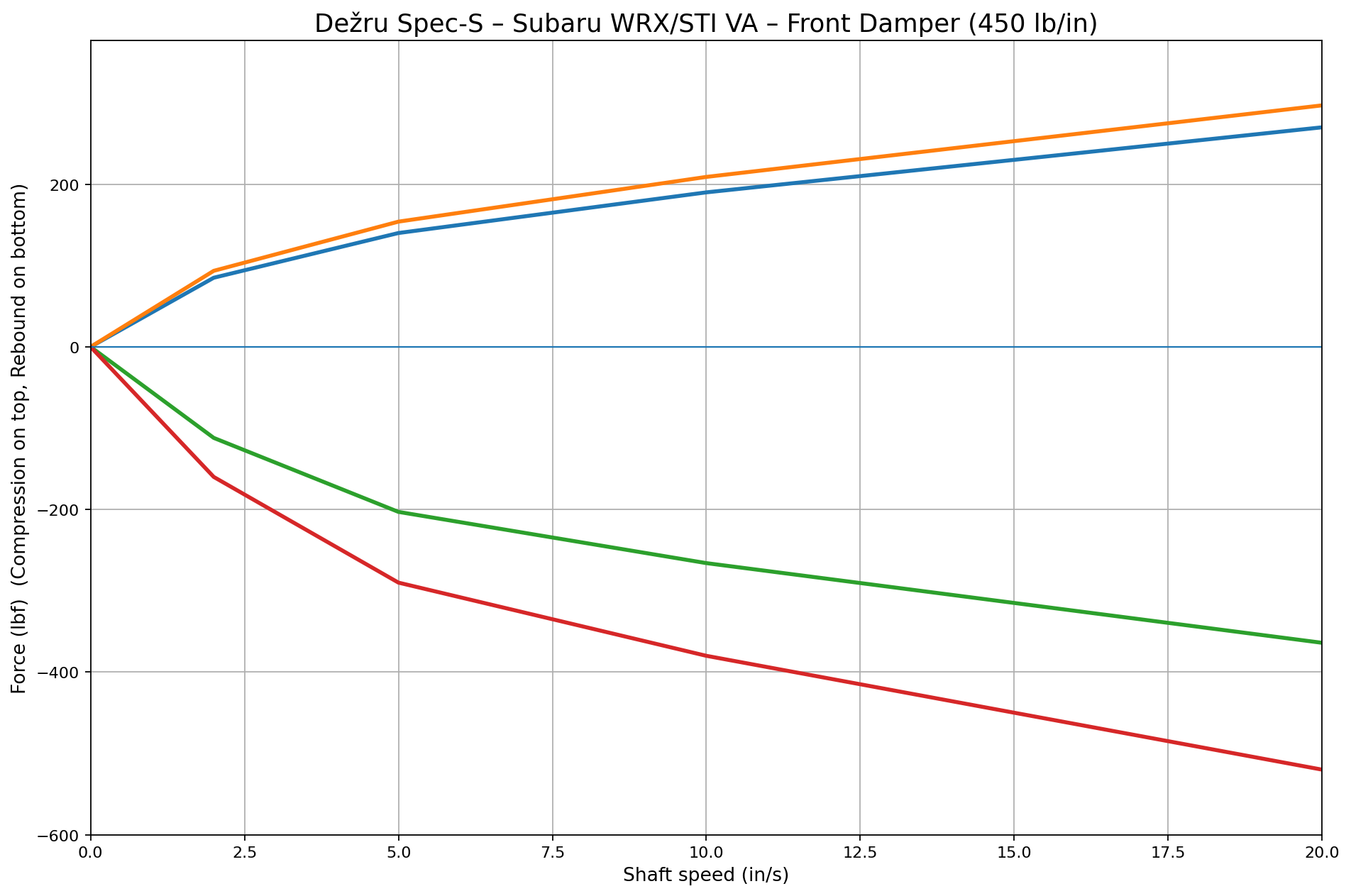
The front damper carries higher force because it has more work to do controlling pitch, turn-in, and the initial load placed on the chassis during braking and corner entry. The digressive shape gives the car support early in the stroke without requiring the shock to become overly harsh as shaft speed increases.
Rear Damper

The rear damper is intentionally lower in force than the front so the car stays compliant and composed instead of feeling over-damped in the back. That helps the chassis settle cleanly after bumps and transitions, rather than feeling busy or artificially stiff.
Why Digressive?
Higher low-speed control helps reduce body motion during steering, braking, and transitions. That is where the car feels more disciplined and more precise.
Why Not a Huge Spread?
A very wide adjustment range often means the base tune is too generic. We would rather start near the correct curve and allow adjustment to fine-tune behavior inside a useful window.
What You Feel
Less float after bumps, cleaner response at turn-in, and a chassis that settles faster after each input instead of continuing to move.
Damping developed around the spring, not adjusted after
Inverted monotube front for increased rigidity under load
Control without relying on excessive damping force
Subaru platforms generate a large amount of grip, which can hide poor damping behavior. A car can feel firm at first yet remain unsettled once the road gets rough or the chassis is loaded repeatedly. That is why our approach focuses on controlling motion rather than increasing stiffness. Inverted monotube dampers improve structural rigidity at the front strut where lateral loads are highest, while spring rates and damping are selected together so the car returns to equilibrium quickly instead of continuing to move after each input. The result is a car that feels more stable, more consistent, and easier to place with precision.
Choose Your Driving Style
Spec-S
Lower damping force with controlled rebound behavior. Designed to reduce excess movement while maintaining compliance over uneven roads.
Lower damping force with controlled rebound behavior. Designed to reduce excess movement while maintaining compliance over uneven roads.
Spec-R
Increased damping to better support load transfer and improve front-end response without making the car feel overly stiff or reactive.
Increased damping to better support load transfer and improve front-end response without making the car feel overly stiff or reactive.
Spec-RS
Higher damping authority for repeated high-load situations. Designed for consistency during aggressive driving and track use.
Higher damping authority for repeated high-load situations. Designed for consistency during aggressive driving and track use.
What Actually Changes
Reduced oscillation after bumps and inputs
More consistent front-end response under load
Less secondary movement mid-corner
Chassis settles faster after transitions